
Services
Christian School Board Governance
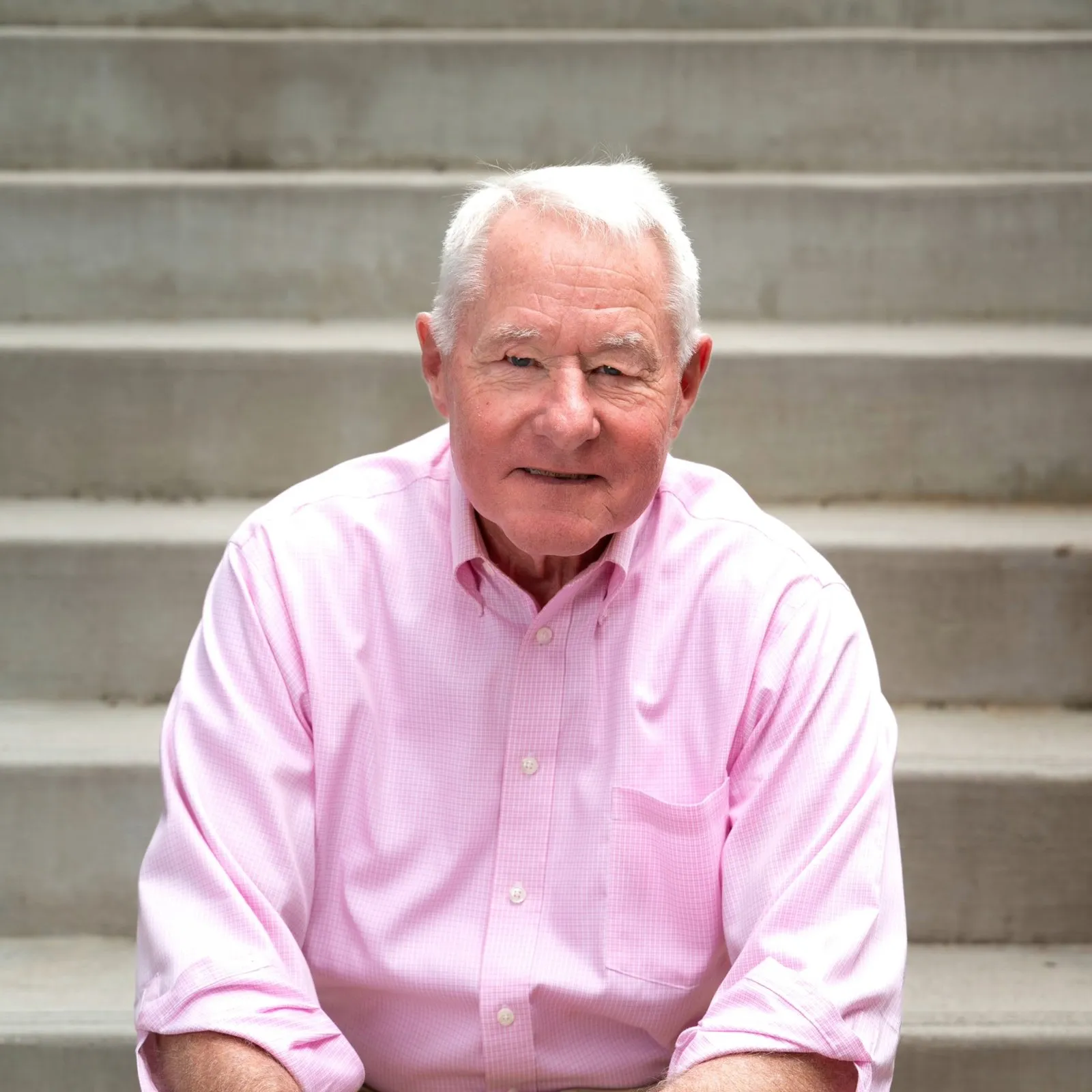
A Christian school board has three jobs: guard the mission, vision, and values; encourage and evaluate the head of school; and own fiduciary responsibility. Everything else is meddling. My name is Paul Harrell, and I have built and trained boards across six school turnarounds, and I have watched what happens when boards forget the list. One cost its school roughly 40 percent of its enrollment. This page is how board governance actually works, and how conflict gets handled when it does not.
Fifty years in education. Six turnarounds.
Quick Facts
- The Three Roles:
- Mission, vision, and values. Encourage and evaluate the head. Fiduciary responsibility. That is the whole job.
- The meddling tell:
- Any sentence that starts "I'm not telling you what to do, but."
- What board dysfunction costs:
- One board cost its school roughly 40 percent of enrollment. Another panicked and turned a $200,000 problem into a $400,000 problem.
- Trustee training:
- New trustees are paired with mentors, which trains them both, before they vote on anything.
- Conflict method:
- Matthew 18, walked for real: face to face, gently, with someone who will not let one voice dominate.
- Where it worked:
- Turlock Christian School: a new board, built and trained, mid-turnaround.
The Three Roles
Mission, vision, and values
Guard the mission, vision, and values, and do not let the school stray from them.
Encourage and evaluate the head
Encourage and evaluate the head of school, on a schedule, in the boardroom.
Fiduciary responsibility
Own fiduciary responsibility, which means living with the Monthly Three: a detailed P&L, a cash forecast to year end, and a balance sheet.
Everything else is meddling.
What Are the Three Roles of a Christian School Board?
Guard the mission, vision, and values, and do not let the school stray from them. Encourage and evaluate the head of school, on a schedule, in the boardroom. Own fiduciary responsibility, which means living with the Monthly Three: a detailed P&L, a cash forecast to year end, and a balance sheet.
If a board sticks to those three, all is great. The best boards I ever served with knew exactly when to get involved and when not to. They had no ego, and they did not think they could run the school better than the people running it. That is the whole secret, and it is rarer than it should be.
Two of the roles need unpacking. Encourage and evaluate the head means on a schedule, in the boardroom, and nowhere else; a head who gets evaluated in parking lots and group texts is being managed by gossip, and a head who is evaluated well still needs support between evaluations, which is what head of school coaching is for. And fiduciary responsibility means seeing the money clearly and acting steadily, not panicking into cuts at the first hard month; the reporting discipline behind it lives under financial stewardship for Christian schools. A board that sees the Monthly Three and holds its nerve is worth more to a school than a donor.
How Do Boards Go Wrong?
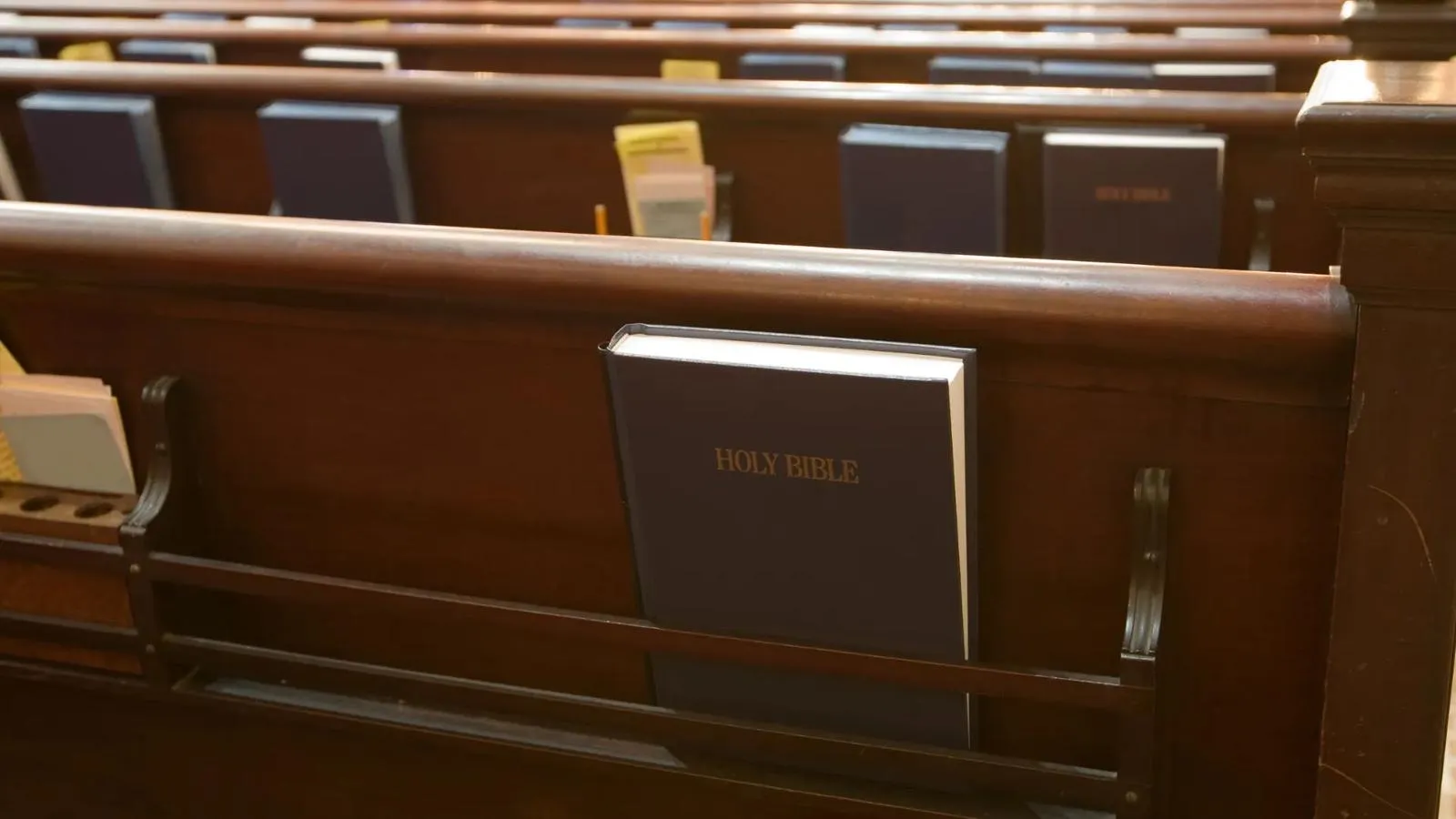
The same three ways, at every school. They meet without the head in secret. Parents talk to them directly and they listen instead of routing it. And they get overly involved in the daily school, loving the gossip, working little agendas. When I see those three, I say it plainly: you are headed for a train wreck, you just do not want to admit it.
The costs are not abstract. I watched a board that wanted to run the school cost it roughly 40 percent of its enrollment. I watched another panic over thin margins, act rashly, and turn a $200,000 problem into a $400,000 problem. Boards do not usually kill schools on purpose. They kill them by doing what they want while believing it is what is right.
If your board is doing any of the three, do not wait for the train wreck. Request a Conversation and we will walk through it plainly.
How Should a Board Be Built and Trained?
You do not collect warm bodies. You help the chair pick the people, and then you train them before they ever vote on anything. Every new trustee gets paired with a mentor, which trains the mentor too: the veteran has to articulate what they actually do, and saying it out loud sharpens them both.
Here is a test I give trained boards: can every member state the mission without reading it, and does the board test hard decisions against it out loud? A board that cannot recite the thing it exists to guard is not guarding it. That one habit, decisions tested against the mission in the open, prevents more governance damage than any bylaw.
And every one of them hears the same speech from me on day one: the second you put on this role, people will think you have power. People will think you can get an agenda done. Do not do that. Keep your decisions in the boardroom, and do not talk about them in the parking lot. A trustee who carries the boardroom out the door is a leak in the school's trust, and trust is the only currency a Christian school actually runs on. At Turlock Christian, we built and trained a new board in the middle of a financial crisis, and that board is the reason the turnaround will hold.
Related: Start a Christian School
How Do You Train a Board to Handle Conflict?
Every Christian school says Matthew 18. Very few walk it. Conflict training is teaching your board and your leadership to actually do it: go to the person first, face to face, gently, and if that fails, bring one or two others, not the whole parking lot.
Here is what walking it looks like. At one school I serve, two veteran staff leaders were locked in a conflict, and one had already started pushing the other out. I had them brought into one room. We talked through it. We explained why we were there: because they could not get through it alone, and Scripture says exactly what to do next. We let each one say their piece. We prayed through it. Nobody was allowed to dominate, and nobody was allowed to leave it unfinished. By the end, nobody was pushed out, and there were tears and hugs instead of a termination. That is not a soft outcome. That is the process working exactly as designed.
The full playbook, from the Matthew 18 sequence to the crisis-communication plan, is in conflict training for Christian schools.
If your board or staff has a conflict that keeps circling, Talk Through a Board Conflict With Paul before it reaches the parking lot.
How Should a Board Lead Through Tragedy or Controversy?
When tragedy hits a school community, the board's job compresses to three words: communicate, communicate, communicate. Be there. Do not hide. Families do not expect a board to have answers on the worst day; they expect it to be present, honest, and steady. Silence reads as indifference, and indifference is never forgiven.
Theological and cultural controversy gets the same steadiness with less drama. Most of it, in my experience, is one group deciding another group's faith does not count. Get over it. Lead with love, say so plainly, and it works. It always works.
And when blame comes, and it will, leadership accepts it. Sometimes it is valid, sometimes it is not, but if you sit in a leadership chair at a school, taking blame is part of the furniture. I tell heads and board chairs the same thing: let them be angry with you. Get in line. What you protect by absorbing it is the school.
How Do You Handle the Loud and Angry Meeting?
Rope-a-dope. Do not argue. Listen, and let them punch themselves out. Be willing to be the bad guy; someday they may see you did the right thing, and if they never do, who cares. By the time somebody is in my office, I have done the homework and I know what is going on. I have heard loud, persistent, and wrong many times. I have never once met loud, persistent, and right, because if they are right, we fix it before it ever gets to shouting.
For a board, the public version of this rule is simple: keep the higher ground in everything you say publicly, whatever you feel privately. How do you decide what to say? Ask what you want quoted in the paper. That question has saved more schools than any communications plan.
When a Board and a Head Must Part Ways
Do it gracefully, or do not call yourselves a Christian institution. The board meets with the head and says: we think it is best if we part ways at the end of the year. Let's do this well. Help us transition. That sentence costs nothing, protects the school, honors the person, and keeps the families calm.
I have seen the other way, and the other way always costs more: in enrollment, in staff trust, in what the community learns about how the school treats people. If your board is contemplating a transition, get help before you act, not after. This is the single most expensive decision a board makes, and it is the one they most often make in a panic.
How True North Works With Boards
Three ways. Building: helping the chair pick the right people. Training: the Three Roles, the Monthly Three, the mentor pairing, and the day-one speech. And repair: stepping into a board that is meddling, split, or in conflict with its head, and walking everyone back to their actual jobs, biblically and without drama.
The work is blunt and it is kind, in that order and at the same time. If your board is healthy, training keeps it that way for a fraction of what dysfunction costs. If it is not healthy, you already know, and the Three Numbers will show you what it is costing.
Frequently Asked Questions
What are the three roles of a Christian school board?
Guard the mission, vision, and values. Encourage and evaluate the head of school. Own fiduciary responsibility. Everything outside those three is meddling, and meddling is where board damage starts. The best boards I have served with knew exactly when to get involved and when not to, and they never thought they could run the school better than the people running it.
What is board meddling and why does it matter?
Meddling is a board doing the school's daily work instead of governing: secret meetings without the head, taking parent complaints directly, working personal agendas. It matters because it is expensive. One meddling board cost its school roughly 40 percent of enrollment.
How should a Christian school handle conflict biblically?
Walk Matthew 18 for real: go to the person first, face to face, gently. If that fails, bring one or two others. In a mediated setting, let each person speak, pray through it, and do not let one voice dominate or leave it unfinished. Request a Conversation if your school has a conflict that will not resolve.
How are new school trustees trained?
Paired with a mentor before they vote on anything, which trains both. They learn the Three Roles, the Monthly Three financial documents, and the day-one rule: keep decisions in the boardroom, and do not use the role for agendas. A trustee who carries the boardroom out the door is a leak in the school's trust, so the training happens before the first vote, not after the first mistake.
When should a board get involved in school operations?
Almost never directly. The board governs through the head: it guards the mission, evaluates the head, and watches the money, and it steps in only when one of those three is at stake. Parent complaints get routed to the head, not adopted. For the money side, the financial reports a board should see every month are laid out on the financial stewardship page.
Does True North train existing boards or only build new ones?
Both, plus repair. Building means helping the chair pick the people. Training covers the Three Roles and financial oversight. Repair is for boards in conflict or drift. Get the School Health Check first; its board section will show you which one you need.
Next step
Your Board Can Be the Reason the School Makes It
At every turnaround I have served, the board was either the biggest obstacle or the biggest asset, and the difference was never intelligence. It was knowing the job. Three roles, three documents, decisions in the boardroom, conflict walked biblically. Teach a board that, and it becomes the reason the school holds.
Bring your last few board agendas to a first call. We will look at which items were governance and which were meddling, and you will leave knowing how the Three Roles apply to your next meeting.